2 June 2026·3 min read
How much backstory, and where to put it
Backstory almost always fails on timing rather than amount.
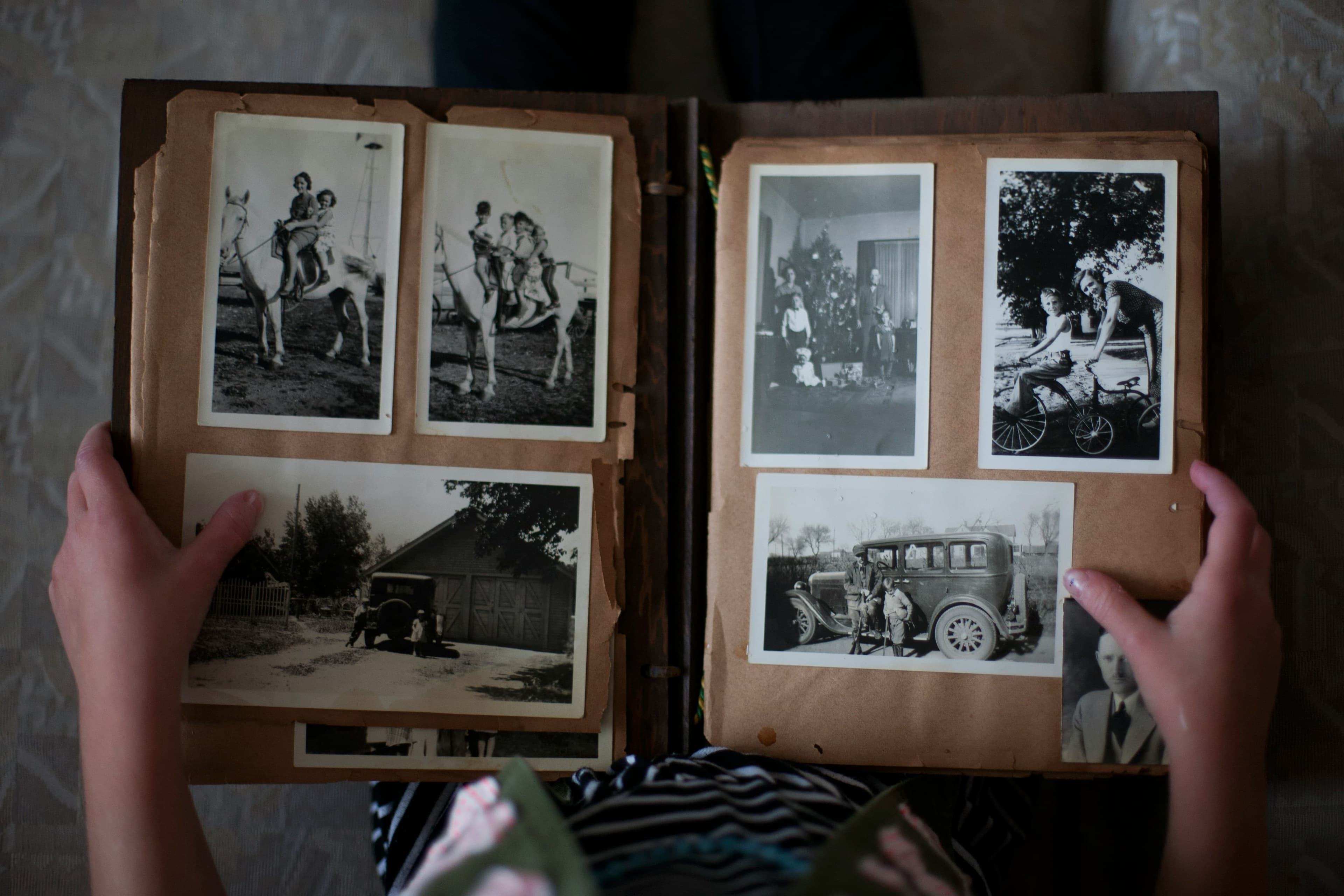
Find the longest unbroken chunk of background in your opening chapters and measure it. Anything longer than a paragraph in the first ten pages is worth a second look.
You put it there because the reader needs it to follow what comes next. She stops before she gets to what comes next, because nothing yet has made her want to follow anything.
Hold it back until she wants it
Give a piece of background at the moment the reader starts wondering about it, and not before.
Curiosity is what turns explanation from a roadblock into a reward. In practice this means moving things later, sometimes by a hundred pages, and finding out that half of it was never needed.
One detail beats a paragraph
A whole childhood often fits into a single fact.
What she does with her hands when someone raises their voice will tell you more than three paragraphs about her father, and it costs you one line.
Read more
Everything above came out of one of these. If any of it was useful, they are where it gets explained properly, with more examples and more patience than a short piece has room for.
Steering the Craft · Ursula K. Le Guin
Short and exact. The exercises are the point, so do them.
Hooked · Les Edgerton
A whole book about openings, which turns out to be more useful than it sounds.
On Writing · Stephen King
Half memoir, half toolbox. The toolbox half is unusually free of nonsense.
A short note, not the service: the letter you get on your own pages quotes your text and is read by a person before it goes out.
Stuck on your own draft?
Free while the site is being tested: a chapter or the whole manuscript, and no card to enter.